Mineral Buffet for Horses: Let Your Horse Choose!

A mineral buffet for horses allows the animal to choose

Imagine the ideal situation for your horse. This is not the same for every horse, as it depends on age, breed, sport, and personal preferences. But one element is likely to be included: space, variety, and good quality roughage and the right herbs in the pasture.

Besides the fact that horses enjoy herbs, they also contribute to a natural dietary variety. Herb-rich grasslands from good, mineral-rich soils often contain a wide range of vitamins, minerals, and trace elements that are naturally present in the soil.

That green pasture is not feasible for many horse owners. Certainly not all year round. Lack of space, poor soil, overgrazing, and the Dutch winter throw a wrench in the works.

Good roughage contains various grasses and herbs and comes from healthy soil. Much roughage in the Netherlands does not have this high quality. This is because the soil is often poor. If there are no minerals in the soil, they are not in the hay either. It is difficult to be sure if your hay is good. There is a solution where you leave the choice to the horse. A horse can regulate itself quite well, but that option must be available. You have that with a well-stocked mineral buffet.

What exactly is a mineral buffet for horses?

Very practically: a mineral buffet often consists of a row of buckets or feed troughs. These troughs contain minerals, such as Icelandic seaweed, Celtic sea salt, Mother Earth, and diatomaceous earth. We will explain more about this later.

With a mineral buffet, it is important that you offer the loose minerals separately. Then there is truly free choice for your horse. They do not touch each other.

Just observe what your horse does. Horses have different needs. The preference for a certain trough – with a certain mineral – differs per horse. The effort also plays a role. When a horse sweats, it loses salts. With a lot of effort or warm weather, the animal will likely make more use of Celtic sea salt. During shedding, the preference will lean more towards peat extract.

To provide free choice, you give continuous access to the mineral buffet. It is best to hang the buckets and troughs to prevent your horse from defecating in them or knocking them over as much as possible. Clean the troughs regularly and do not overfill them. This way, the minerals remain clean and fresh. And it's an obvious point, but ensure your horse always has fresh water. You mix the raw materials with water, but it is important to also have 'regular' water within reach.

Water, salt, and sweating

Horses need daily access to fresh and clean water. A horse can drink between 20 and 70 liters of water per day, depending on factors such as weather, amount of effort, and diet. A pregnant or lactating mare also needs more. In warm weather or during hard work, a horse sweats more and needs more water. That is logical.

When a horse sweats, it not only loses fluid. You have probably heard of electrolytes. These are salts (minerals) like sodium, chloride, and potassium, which are in the blood. You sweat these salts out. That is why top athletes often use recovery drinks or gels. It works the same for horses. A horse loses even more electrolytes through sweat in comparison. The more the horse sweats, the more electrolytes it loses. Celtic sea salt, which you put in the buffet, contains many electrolytes. A Himalayan salt lick also contains this. Moreover, with a bit of luck, it stimulates the thirst reflex. Drinking water helps the animal recover after exertion.

With free choice of minerals, it's a win-win-win situation

A mineral buffet:

  1. Replenishes deficiencies;
  2. Restores the balance of minerals and trace elements;
  3. Supports natural behavior and mental relaxation.

Sniffing, choosing, licking: it keeps the horse occupied. Licking also regulates stress and promotes saliva production, a form of relaxation, just like chewing. So make sure that Himalayan salt licks are also always available. Preferably 3 with different color shades, so that a diverse range of minerals and trace elements is available.

  • Mineralenbuffet collectie
  • Himalaya liksteen mineralen
  • Mineralen buffet voor paarden

The five basic elements in the mineral buffet

A buffet consists of natural minerals that you offer separately. Each mineral has a different effect and texture. Together they form a rich palette that your horse can choose from.

1. Mother Earth

Mother Earth is a special composition of three powerful natural ingredients: lava, bentonite clay, and oyster shell meal. Each of these raw materials comes directly from nature and contributes its own unique part to the mineral profile of this exceptional product.

The lava in Mother Earth originates from ancient volcanic deposits. This solidified rock is full of natural minerals formed over millions of years of geological activity. The bentonite clay is formed by the weathering of volcanic ash and naturally contains a lot of montmorillonite, a substance known for its binding properties in the gut. This clay is extracted deep from the earth in various European regions. And then there is the Dutch oyster shell meal, derived from crushed oyster shells from coastal areas. This meal is particularly rich in calcium and perfectly absorbable for the horse's body.

Together, these three raw materials form a widely supported mineral mixture that provides your horse with important elements such as magnesium, calcium, phosphorus, zinc, sodium, potassium, copper, and iron. Each of these minerals contributes in its own way to your horse's health and vitality.

For example, magnesium helps release energy from food, supports muscles, bones, and teeth, and promotes a normal balance in water and mineral regulation. It plays a role in cell division, protein synthesis, and contributes to mental functions such as concentration and stress resistance.

Also, zinc does many things simultaneously: it is involved in cell division, supports the immune system, and helps in protein synthesis. In addition, it is good for skin, hooves, hair, vision, and a balanced metabolism. A true all-rounder that is especially valuable for horses in training, growth, or recovery.

Calcium is essential for strong bones and teeth, but does much more. It supports energy metabolism, aids in muscle function and nerve function, and contributes to good digestion and blood clotting. In combination with phosphorus, which also contributes to bone structure and energy supply, it is important that the proportions are correct. For adult horses, a calcium-phosphorus ratio of approximately 2:1 to 3:1 is ideal. For young horses and foals, this may be slightly different. An imbalance between these two minerals can affect absorption and utilization in the body.

Other minerals in Mother Earth also play an important role. For example, copper and manganese contribute to energy metabolism, while iron helps the body transport oxygen and form red blood cells. Potassium supports normal blood pressure and healthy muscle function, and both copper and potassium have a positive influence on the nervous system. Additionally, copper helps maintain healthy blood vessels and cartilage, and supports the transport of iron in the body.

Manganese supports the formation of connective tissue and the maintenance of strong bones. Iron is also involved in learning ability, concentration, and the horse's natural energy level. And because all these elements come from natural sources, they are well absorbed and in balance with each other.

Mother Earth is therefore not a random mix, but a carefully considered supplement that gives the horse the opportunity to choose exactly what its body needs at that moment.

2. Icelandic seaweed (Ascophyllum nodosum)

Icelandic seaweed is a natural product from the clean waters around Iceland. It is harvested from the species Ascophyllum nodosum, a brown alga that grows along the rocky coastlines of the North Atlantic Ocean. It has a natural, earthy scent and texture.

Natuly's seaweed is offered coarsely chopped, which helps to reduce oxidation when exposed to light and air. This makes it suitable for long-term storage and use in, for example, a mineral buffet.

Icelandic seaweed:

  • Is good for digestion*
  • Supports (fat) metabolism*

* Health claims awaiting European approval.

  • Mineralenbuffet
  • Mineralenbuffet verpakking
  • Mineralen paard emmer

3. Celtic Sea Salt

Celtic sea salt is perhaps one of the purest forms of salt imaginable. It is traditionally harvested in the marshes around Guérande, on the French west coast. There, seawater slowly flows through an intricate network of canals towards shallow clay basins. Under the influence of sun and wind, the water evaporates, leaving behind coarse, light-grey salt crystals. The salt owes this colour to the clay minerals it comes into contact with during the process.

What makes this sea salt special is that it is completely unrefined and unwashed. This preserves the natural minerals in exactly the same proportions as they occur in seawater. Celtic sea salt is harvested by hand and offered as such, without processing or additives. Its coarse texture, slightly moist structure, and earthy taste make it appealing and functional in a mineral buffet.

Celtic sea salt provides more than just sodium and chloride. It also contains important minerals such as magnesium, calcium, and iron, each with a specific role in the horse's body.

Magnesium is perhaps the best-known mineral from this salt. It supports muscles, helps release energy from food, and contributes to a healthy bone structure. Additionally, it plays an important role in the nervous system, supports concentration, and helps with fatigue and recovery. Due to its influence on water and mineral balance, it is also a key player in thirst and sweat regulation, which is especially important in warm weather or during intensive training.

Chloride is another indispensable element. It contributes to a normal acidity in the stomach, thereby supporting digestion. In combination with sodium, it also forms an important part of the electrolyte balance.

Also, calcium is naturally present in Celtic sea salt. This mineral is known for its contribution to strong bones and teeth but also affects digestion, blood clotting, and muscle function. Moreover, calcium plays a role in nerve conduction and contributes to the building of cells and tissues.

And then there is iron, an element that plays a key role in oxygen transport via red blood cells. It helps the body form haemoglobin, supports the immune system, and contributes to mental clarity and energy. Horses that train intensively or are recovering from illness often have an extra need for this.

Due to this rich composition, Celtic sea salt is a valuable addition to the buffet. Not only because of the mineral intake but also because the salt stimulates natural drinking behaviour. Especially in warm weather or after work, the horse can thus ensure a good fluid balance itself, exactly as nature intended.

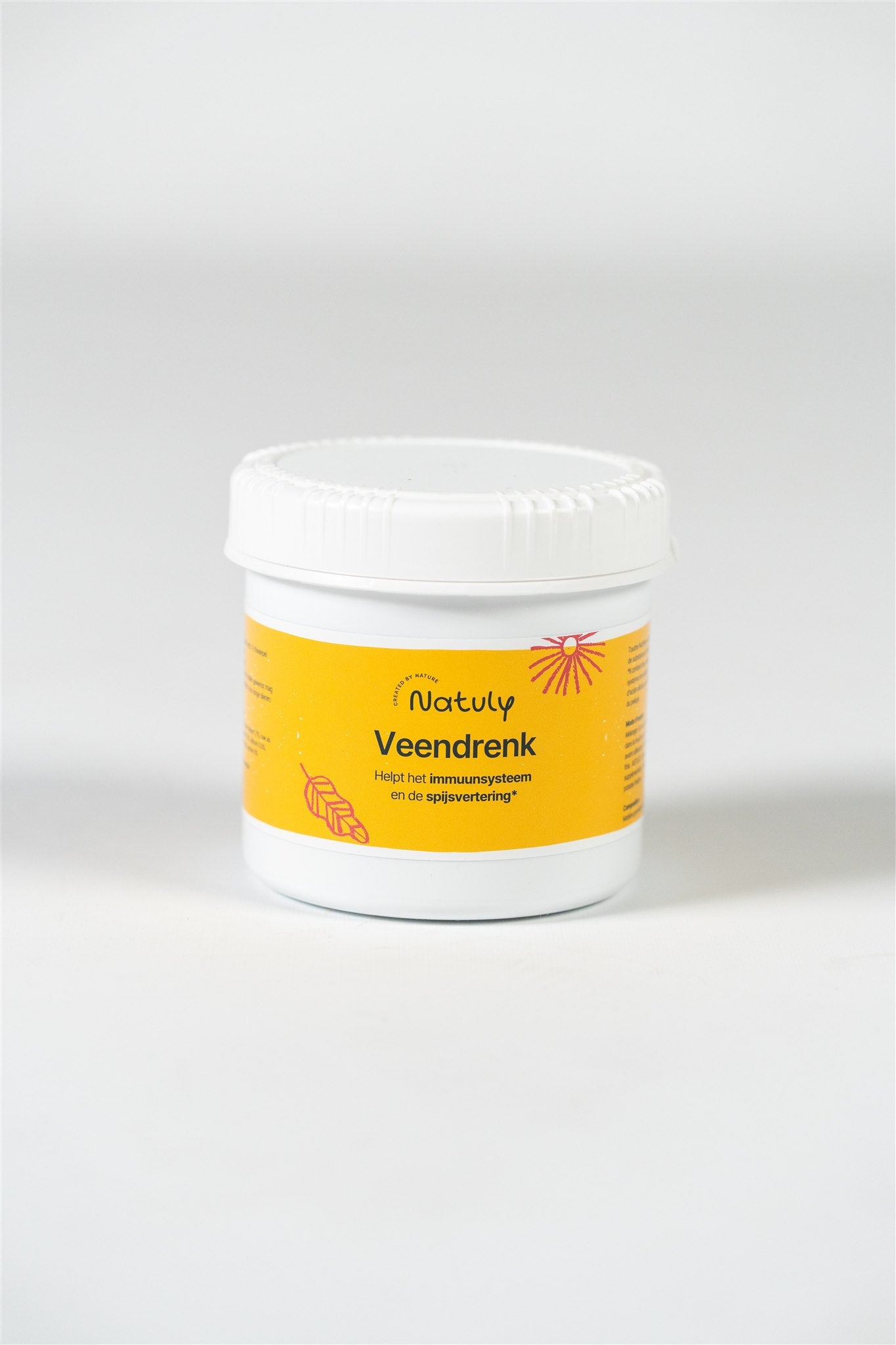
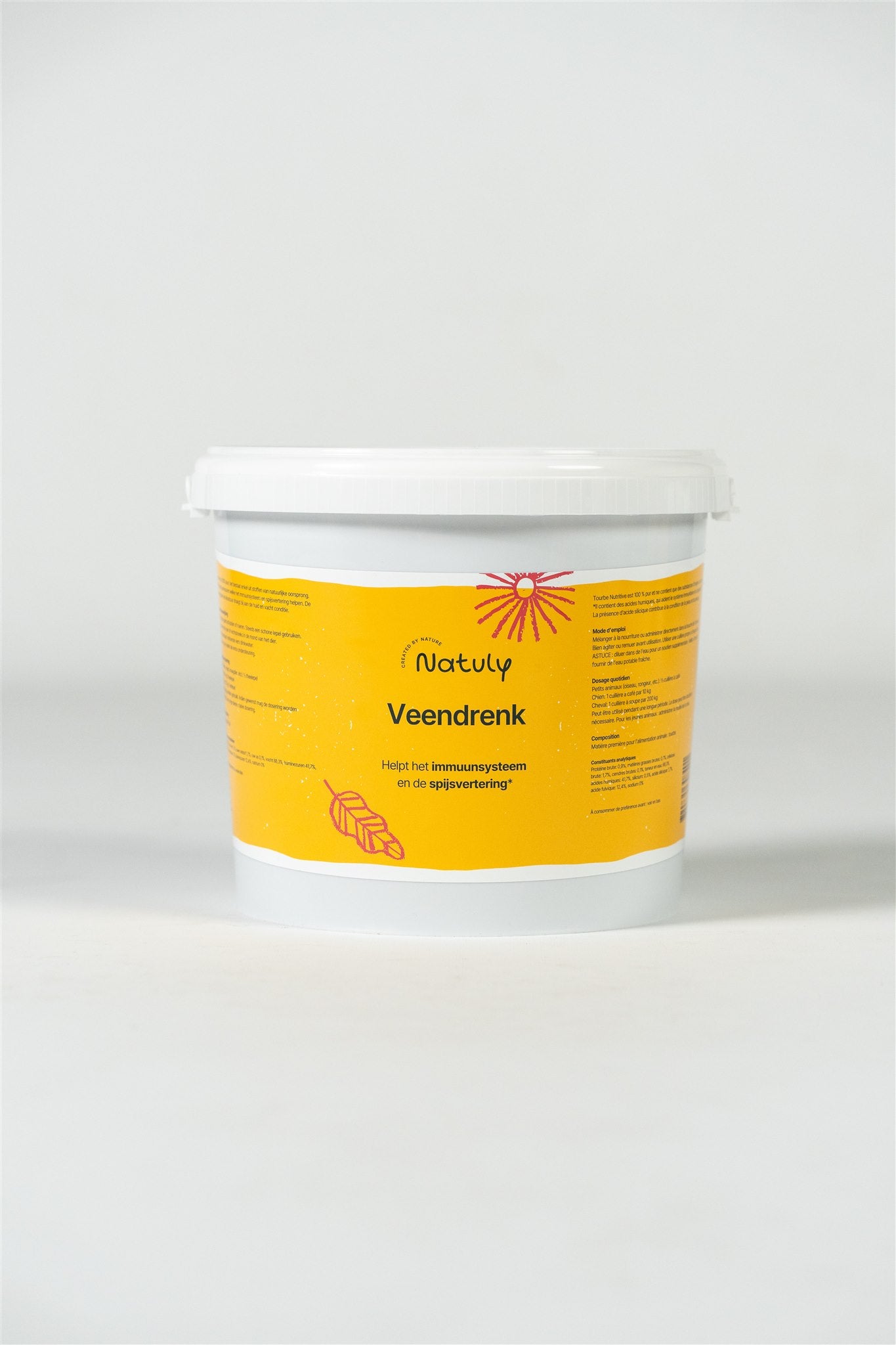
4. Peat Drink

Peat drink is affectionately called "primeval mud," and not without reason. This viscous, dark substance comes from a thousands-of-years-old layer of peat, deep beneath the Austrian soil. There, in an oxygen-poor environment, plant remnants such as herbs, flowers, grasses, and fruits have slowly decomposed and compacted into a stable and pure natural product. Thanks to this unique origin, peat drink contains a wide range of organically bound substances, including humic acids, fulvic acids, trace elements, and natural minerals such as silicon.

It is primarily the combination of these substances that makes peat drink so special. Humic acids are known for their ability to bind to other substances in the body, thus supporting the animal's natural cleansing capacity. Fulvic acids are related but smaller in structure and water-soluble, making them quickly available. These properties make peat drink a valuable addition to the mineral buffet.

5. Diatomaceous Earth

Diatomaceous earth, also known as kieselguhr, is a natural powder formed from the fossilized remains of tiny algae called diatoms. Diatoms are single-celled algae with an exoskeleton made of silica (silicon dioxide). These algae lived millions of years ago in water, such as oceans, lakes, and rivers.

When diatoms die, their skeletons, which contain much silica, sink to the bottom of the water. Over millions of years, these skeletons accumulate and form layers that are eventually compacted into diatomaceous earth.

Order a Mineral Buffet in one go

At Natuly, you can order your complete mineral buffet in one go. One horse may prefer one source, another prefers a different one. This gives them the freedom of choice. Generally, the minerals last a long time, after which you can easily reorder the 'bestsellers' in your buffet. Your horse will thank you for it!